The Corporate VPN Audit: Why OpenVPN is a Liability for Your Remote Team
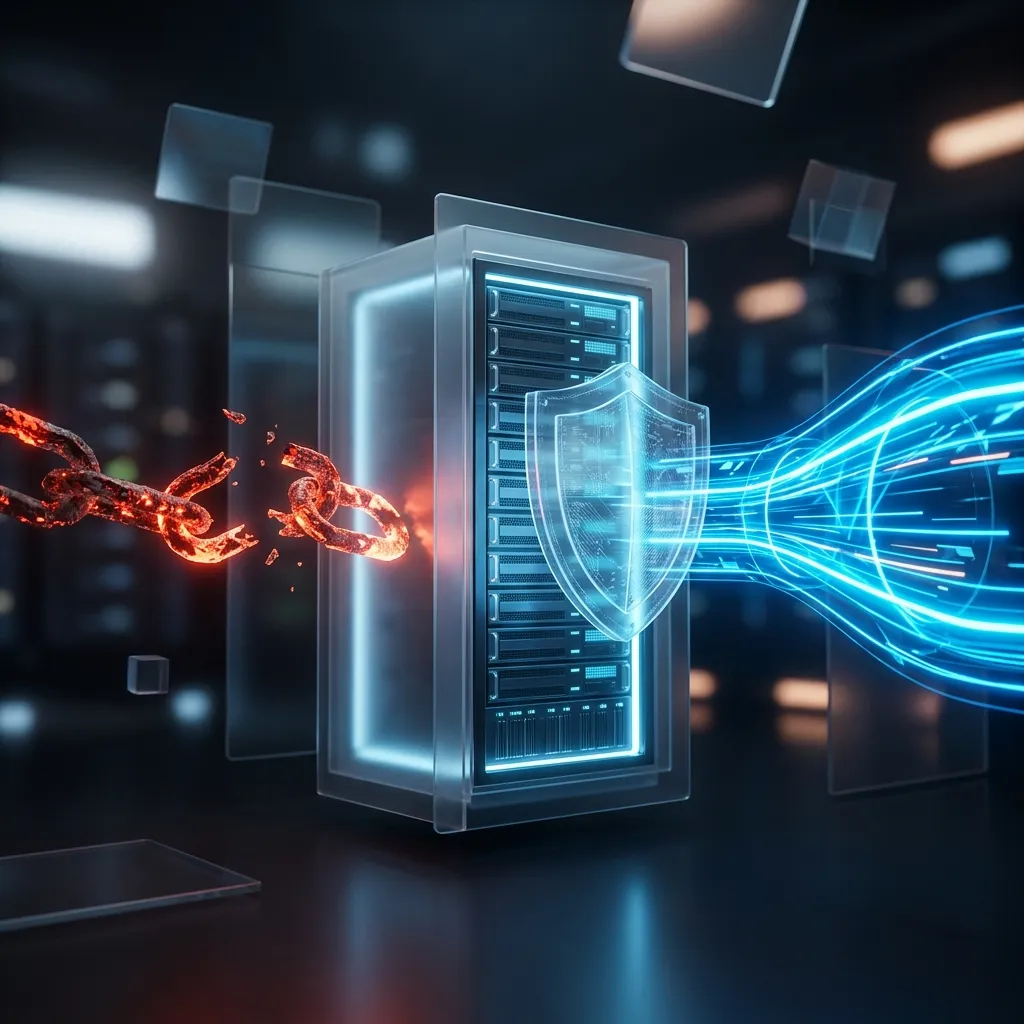
Imagine buying a state-of-the-art titanium vault to store your company’s most sensitive data. Then, you hire a security guard to stand in front of it and blow a loud whistle every time someone opens the door.
That is exactly what you are doing if your remote team is still relying on legacy protocols like OpenVPN or standard WireGuard in 2026.
Yes, the encryption (the vault) is secure. But the protocol signature (the whistle) is so loud and obvious that state-level Deep Packet Inspection (DPI) algorithms can detect and block your connection in milliseconds.
The Legacy Protocol Problem
In the early 2020s, setting up a corporate WireGuard server was the gold standard for remote teams. It was fast, secure, and easy to deploy.
But the landscape has fundamentally changed. Regulatory bodies are no longer just blocking specific IP addresses; they are using machine learning to identify the “shape” of the traffic itself.
When your employees try to connect to Jira, Slack, or your internal CRM via OpenVPN or WireGuard, the DPI filter instantly recognizes the handshake. It doesn’t matter what data is inside the tunnel—the tunnel itself is flagged and throttled or blocked entirely. This leads to dropped Zoom calls, inaccessible databases, and a paralyzed workforce.
The VLESS / Reality Migration
If you want your business to survive the current internet fragmentation, you must migrate your infrastructure to modern, DPI-resistant protocols.
The current industry standard for corporate resilience is VLESS with Reality.
Unlike legacy protocols that proudly announce “I am a VPN,” VLESS with Reality uses active probing defense. It masks your corporate traffic to look exactly like standard, encrypted HTTPS traffic connecting to a major, whitelisted domain (like Microsoft or Amazon).
To the outside observer, your employee isn’t connecting to a private corporate server in Frankfurt; they are just browsing a mundane corporate website. The “whistle” is gone.
How to Audit Your Infrastructure
It is time for a ruthless audit of your remote work infrastructure:
- Identify Single Points of Failure: Are all your employees routing through a single IP address? If that IP gets blacklisted, your entire company goes offline.
- Check Your Protocols: Run a packet capture on your VPN. If it screams OpenVPN, you are operating on borrowed time.
- Plan the Migration: Transitioning to Xray/VLESS requires deploying new client software (like v2rayN or Hiddify) to your team’s devices and reconfiguring your core servers.
We Can Help
Migrating a 50-person remote team from legacy VPNs to a stealth VLESS infrastructure requires careful planning to avoid downtime. You cannot afford to have your engineering team locked out of production.
We specialize in building resilient, DPI-proof network infrastructure for remote businesses. Book a consultation with our team, and let’s upgrade your corporate vault so the guards finally stop blowing the whistle.